


Best energy supplements without caffeine in 2026
Best for a confirmed B12 gap: vitamin B12. Best for repeated high-intensity exercise: creatine. Best for replacing sweat losses: electrolytes. The best energy supplement without caffeine in 2026 depends on what you need—not which bottle promises the biggest boost.
- Choose an energy supplement without caffeine for a specific need, not as a substitute for sleep or meals.
- Vitamin B12 supports normal energy metabolism; extra B12 is not an established energy boost when levels are adequate.
- Creatine suits repeated high-intensity exercise, while electrolytes address fluid and mineral losses.
- TruNutra offers creatine and electrolyte options; verify each current label before treating either as caffeine-free.
Why this matters
An afternoon slump, a difficult workout, and persistent exhaustion are different problems. Treating all three with an “energy” blend makes it harder to choose something useful—or recognize when you need medical advice instead.
Caffeine-free does not automatically mean effective, gentle, or suitable for daily use. A product still needs a clear purpose, readable ingredients, and directions that fit your situation.
TruNutra offers everyday wellness supplements, including creatine and electrolyte products. These categories belong in this comparison, but a product category alone does not establish that a particular formula contains no caffeine.
What makes the best caffeine-free energy supplement?
Use these criteria before comparing bottles in 2026:
- Purpose match: Choose nutritional support, exercise support, or fluid replacement—not an undefined promise of more energy.
- Caffeine verification: Read the complete ingredient list, including blends and botanical ingredients. Do not rely on the front label alone.
- Useful amounts: Look for clearly disclosed ingredients and serving amounts that you can discuss with a qualified health professional.
- Safety fit: Consider medications, existing supplements, pregnancy, breastfeeding, and health conditions before starting.
- Quality evidence: Look for product-specific testing or certification information. Do not assume a statement about one product applies to an entire range.
- Routine fit: Choose a format you can use according to its label without adding unnecessary ingredients or overlapping servings.
The strongest choice solves a defined problem; it does not promise to make tiredness disappear.
Caffeine-free supplement options at a glance
These rankings compare ingredient categories, not verified caffeine-free finished products. Check the full label of every formula you consider.
| Rank and option | Best for | Standout role | Key limitation |
|---|---|---|---|
| 1. Vitamin B12 | A confirmed B12 shortfall or identified intake concern | Supports normal energy metabolism and red blood cell formation | Extra B12 is not an established energy booster when status is adequate |
| 2. Creatine | Repeated high-intensity exercise | Supports performance during repeated short, intense efforts | Does not replace sleep or address unexplained fatigue |
| 3. Electrolytes | Replacing fluid and mineral losses during sweaty activity | Helps meet hydration needs in the right setting | Unnecessary additions are not a general answer to low energy |
| 4. Iron | Clinician-confirmed iron deficiency | Supplies a mineral needed for oxygen transport | Taking iron without a demonstrated need carries risks |
| 5. Magnesium | An identified magnesium intake gap | Supports normal muscle, nerve, and energy-related functions | Not an established instant alertness supplement |
1. Vitamin B12: best for an identified B12 gap
Vitamin B12 helps your body maintain healthy nerve cells and make red blood cells. It also participates in normal energy metabolism, but that does not mean taking more produces more energy when you already have enough.
Best for: Adults with confirmed low B12 or an intake or absorption concern identified by a qualified health professional. People eating little or no animal-derived food should pay particular attention to reliable B12 sources.
Vitamin B12 pros:
- Addresses a specific nutritional need when B12 intake or status is inadequate.
- Comes in standalone supplements, allowing you to avoid unrelated blend ingredients.
- Has an established role in normal body functions rather than a stimulant-style promise.
Vitamin B12 cons:
- Does not provide an established energy benefit to people with adequate B12 status.
- A food intake problem and an absorption problem need different guidance.
The NIH Office of Dietary Supplements lists 2.4 micrograms daily as the recommended intake for most adults; pregnancy and breastfeeding have different requirements. That reference intake is not a treatment dose, and a higher number on a bottle does not establish a better choice.
Verdict: Buy for an identified need; skip as a blanket afternoon pick-me-up.
2. Creatine: best for repeated high-intensity exercise
Creatine supports the energy system your muscles use during short, intense efforts. Its established use is exercise performance—not making you feel awake at your desk.
Best for: Adults whose goal is repeated high-intensity exercise, such as strength training, rather than general relief from tiredness. In this 2026 comparison, creatine ranks for that distinct purpose.
Creatine pros:
- Matches a clearly defined exercise goal.
- Has research support for repeated short, high-intensity efforts.
- Does not depend on caffeine for its exercise-related action.
Creatine cons:
- Does not address every type of exercise or every cause of low energy.
- Can cause weight gain related to water retention and digestive discomfort.
Creatine monohydrate is the form most widely studied in exercise research, as summarized by the NIH Office of Dietary Supplements. That category evidence does not verify the form, amount, or performance of every finished product.
TruNutra Everyday Strong is described as a creatine supplement for active lifestyles. It is a category fit for adults comparing creatine supplements, not a verified caffeine-free recommendation without checking its current label.
Verdict: Buy for a suitable exercise goal after checking the formula; skip for unexplained daytime exhaustion.
3. Electrolytes: best for sweat-related replacement needs
Electrolytes are minerals involved in fluid balance, nerve signaling, and muscle function. An electrolyte drink makes sense when its ingredients match losses or needs—not simply because the packaging mentions active days.
Best for: Adults replacing fluid and minerals during sweaty activity, with the choice adjusted to the activity and personal health needs. Ordinary desk-day tiredness is a different question.
Electrolytes pros:
- Address hydration rather than relying on stimulation.
- Offer a drink format for people who prefer it to capsules.
- Allow ingredient-by-ingredient comparison when mineral amounts are disclosed.
Electrolytes cons:
- Do not automatically improve energy when hydration is already adequate.
- Require extra care with sodium, potassium, fluid restrictions, or relevant medical conditions.
TruNutra Daily Quench is described as an electrolyte drink mix for active days. Review its current ingredients, mineral amounts, and directions before deciding whether it fits your needs or your caffeine-free requirement.
For everyday hydration, do not assume a supplement is necessary. Food and water already contribute to your daily fluid and mineral intake.
Verdict: Buy for an appropriate replacement need; skip as an all-purpose energy drink.
Two product categories to review
The products below match the creatine and electrolyte categories discussed above. Their supplied descriptions do not establish caffeine content, so verify the full current labels before choosing either for a caffeine-free routine.


4. Iron: best for clinician-confirmed iron deficiency
Iron helps your body make hemoglobin, the protein in red blood cells that carries oxygen. Iron deficiency can contribute to fatigue, but tiredness alone does not establish that you need iron.
Best for: Adults whose clinician has identified iron deficiency and recommended an appropriate supplement. This is not a category to choose through trial and error.
Iron pros:
- Addresses a demonstrated deficiency rather than a vague wellness goal.
- Has a clear role in oxygen transport.
- Can be selected and monitored through a clinician-guided plan.
Iron cons:
- Can cause constipation, nausea, and other digestive effects.
- Excess iron is harmful, and iron interacts with some medicines.
Ask what testing is appropriate before starting. The reason for low iron also matters; a supplement should not replace evaluation of that underlying issue.
Store iron securely away from children. Accidental ingestion can be dangerous.
Verdict: Wait for professional assessment; buy only when advised.
5. Magnesium: best for an identified intake gap
Magnesium contributes to normal muscle and nerve function and processes involved in energy production. Those roles do not establish that a magnesium supplement will make an adequately nourished adult feel more alert.
Best for: Adults with an identified intake gap or another professionally assessed reason to supplement. Choose magnesium for that need, not because an energy blend happens to include it.
Magnesium pros:
- Provides an essential mineral when intake is inadequate.
- Allows a targeted approach instead of a multi-ingredient energy blend.
- Has a defined supplemental intake limit that helps guide label review.
Magnesium cons:
- Can cause diarrhea, nausea, or abdominal cramping.
- Requires professional advice with kidney problems or interacting medicines.
The NIH Office of Dietary Supplements gives an adult upper limit of 350 milligrams daily from supplements and medications, unless a health professional advises otherwise. This limit excludes magnesium naturally present in food; it is not a recommended supplement dose.
Verdict: Buy for a justified intake need; skip for instant alertness.
Check the label before calling anything caffeine-free
In 2026, start your comparison with the back label, not the product name. A creatine powder, vitamin capsule, or hydration blend can contain additional ingredients beyond its headline category.
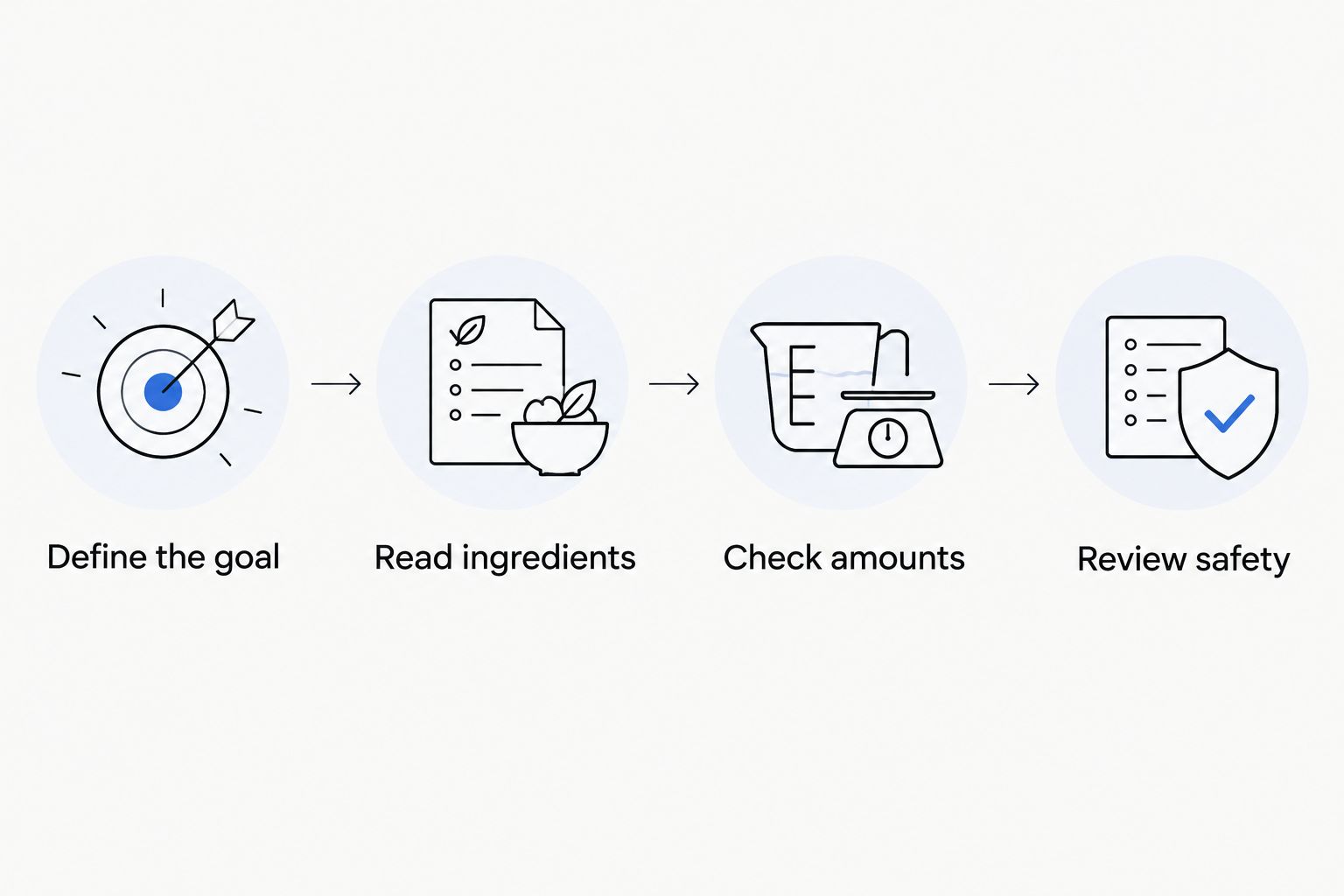
Use this sequence:
- Define the goal. Separate exercise performance, hydration, and a suspected nutritional gap.
- Read ingredients. Check the complete list for caffeine and caffeine-containing ingredients such as guarana or tea extracts.
- Check amounts. Read serving size and disclosed ingredient quantities; do not assume an unspecified blend meets your needs.
- Review safety. Compare the formula with your medicines, health conditions, and other supplements.
If a label leaves caffeine content unclear, ask the manufacturer rather than guessing. “Natural,” “daily wellness,” and “energy support” are not substitutes for ingredient information.
For a medication check, use this guide to supplement interactions with prescription medications and bring your complete supplement list to a pharmacist or clinician.
How these options rank
This 2026 ranking prioritizes purpose match, established category roles, label clarity, and safety—not claimed strength or the length of an ingredient list. B12 ranks first for an identified nutritional gap, creatine for high-intensity exercise, and electrolytes for appropriate replacement needs.
Iron and magnesium remain conditional choices. Their place on this list does not mean everyone should take them, and category evidence does not prove a specific finished product works.
Which caffeine-free option should you choose?
Choose the need before the supplement. If you cannot explain what a product is meant to address in your routine, pause before adding it.
For adults aged 18–60, the CDC recommends at least 7 hours of sleep per night. A supplement cannot replace that foundation, regular meals, or an appropriate assessment when fatigue persists.
If your goal is exercise performance, review creatine. If your issue is fluid loss during sweaty activity, review hydration; if you suspect a nutritional deficiency, seek guidance rather than stacking several products.
For persistent, worsening, or unexplained fatigue, arrange a medical assessment. Avoid turning a supplement comparison into a substitute for finding the cause.
FAQ
What's the best energy supplement without caffeine?
There is no single best energy supplement without caffeine for every adult. Vitamin B12 fits an identified B12 gap, creatine fits repeated high-intensity exercise, and electrolytes fit appropriate fluid and mineral replacement needs.
Will vitamin B12 give me energy if I am not deficient?
Extra vitamin B12 is not an established energy boost when your B12 status is adequate. B12 supports normal energy metabolism, but that role does not mean higher supplemental amounts create greater alertness.
Is creatine better than electrolytes for energy?
Creatine and electrolytes serve different purposes. Creatine supports repeated short, intense exercise, while electrolytes help address fluid and mineral replacement needs in appropriate situations.
Are the products featured here confirmed caffeine-free?
The supplied product descriptions do not establish that the featured products are caffeine-free. Check each current complete label and ask the manufacturer if any ingredient or caffeine content is unclear.
Should I take iron when I feel tired?
Do not start iron solely because you feel tired. Ask a qualified health professional whether testing is appropriate, because excess iron is harmful and fatigue has multiple possible causes.
Can I take a caffeine-free energy supplement every day?
Daily use depends on the ingredients, amounts, label directions, and your health circumstances. Caffeine-free does not mean risk-free; review medication interactions and overlapping ingredients before building a daily routine.
Does caffeine-free mean stimulant-free?
Caffeine-free does not automatically mean stimulant-free. Read the full formula for other stimulant ingredients, and ask a pharmacist or manufacturer when the labeling does not answer your question.
One last thing
“Supports energy metabolism” and “makes you feel more energetic” are not the same claim. In 2026, keep that distinction at the center of your decision: a nutrient can be essential without extra amounts being useful to you.