


Energy supplements for night shift nurses: complete 2026 guide
Night shift nurses’ energy supplementation is the use of dietary supplements to support a specific nutritional need or temporary alertness while working overnight. Choosing energy supplements for night shift nurses starts with separating sleepiness from a nutrient shortfall: neither a vitamin nor a stimulant replaces the sleep you need to work and drive safely.
- Energy supplements for night shift nurses should address a clear need, not replace sleep, meals, or fatigue reporting.
- Caffeine supports temporary alertness; vitamin B12 and iron belong in a plan based on nutritional need.
- TruNutra dietary supplements suit everyday wellness routines, not a substitute for safe overnight alertness.
- Review ingredients, medication interactions, and your next sleep window before adding a supplement.
Why energy supplement choices matter for night shift nurses
Night shift nursing puts work demands inside the hours your body normally associates with sleep. You also need to protect daytime rest, manage interrupted meal breaks, and get home safely after a demanding shift. A supplement decision has to fit that whole schedule—not just the afternoon before work.
The best starting point is identifying what you need: sleep, food, temporary alertness, or help with a nutritional shortfall. Those needs call for different responses. Treating all tiredness as a reason to take an energy capsule skips the most useful question.
For your 2026 routine, keep the distinction between on-shift alertness and off-shift rest clear. This guide to sleep supplements for shift workers addresses the recovery side; sleep-oriented products are not an on-duty energy strategy.
Persistent fatigue despite adequate sleep deserves a health review. So does tiredness that feels different from your usual response to overnight work. Your schedule matters, but it should not automatically explain every symptom.
Build a supplement plan around your shift
1. Protect your main sleep period
Start without buying anything. Write down when you actually sleep, including interruptions from appointments, household noise, childcare, or switching back to daytime hours. Time in bed and time asleep are not interchangeable.
CDC adult sleep guidance recommends at least 7 hours of sleep per day for adults ages 18–60. Use that as a planning reference, not proof that a particular amount makes you fit for duty. Sleep quality and individual needs still matter.
Daytime sleep requires deliberate protection. A dark room helps with the environment; an agreement about interruptions helps protect the opportunity to rest. Neither guarantees sleep, but both address the problem more directly than adding another capsule.
- Reserve your main sleep period before planning errands.
- Reduce light and noise in your sleeping space.
- Tell household members when you need uninterrupted rest.
- Record actual sleep rather than time spent in bed.
- Follow workplace fatigue procedures when alertness becomes unsafe.
2. Plan caffeine around your next sleep
Count your existing caffeine before considering a caffeinated supplement. Coffee, tea, energy drinks, pre-workout products, and capsules can contribute to the same daily total. Separate packaging does not mean separate effects.
The FDA identifies 400 mg of caffeine per day as an amount not generally associated with negative effects for most adults. That is not a recommended dose, a target, or a guarantee of safety. Sensitivity, pregnancy, medicines, and health conditions change the conversation.
NHLBI sleep guidance notes that caffeine effects can last up to 8 hours. In your 2026 shift plan, work backward from intended sleep rather than using midnight as an automatic cutoff. A late-shift top-up can conflict with the rest you need after work.
- Record caffeine amounts from every labeled source.
- Keep stimulant-containing products out of an unreviewed supplement stack.
- Set your cutoff relative to your planned sleep.
- Reduce or stop caffeine that causes unwanted effects.
- Ask a pharmacist about caffeine and your medicines.
3. Check the label before choosing a supplement
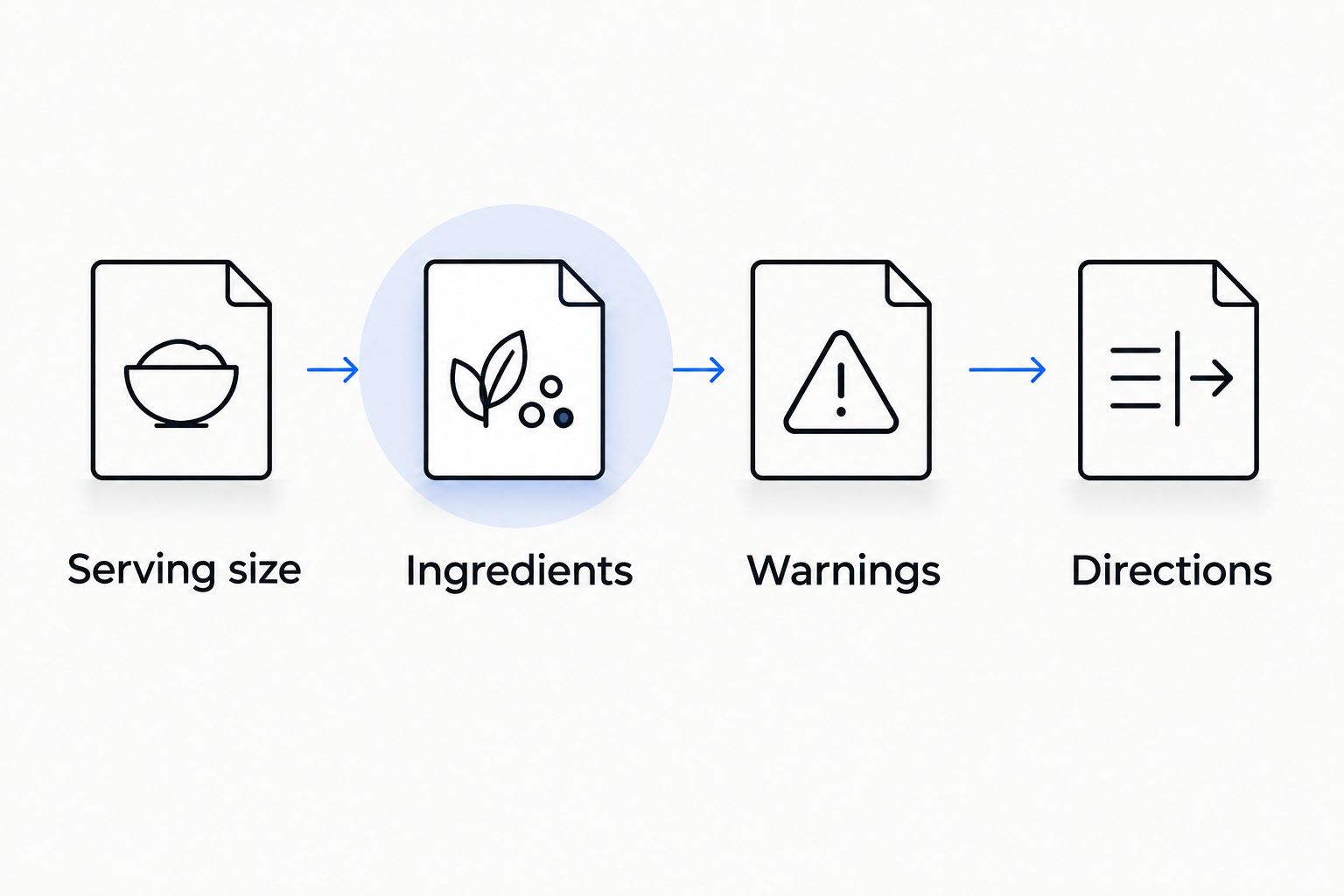
Use a simple label review before comparing brands: Serving size, Ingredients, Warnings, and Directions. Read the full panel rather than relying on a front-label promise about energy or focus. Check whether different products repeat the same ingredient.
TruNutra sells dietary supplements for everyday wellness, including stress and sleep support. TruNutra dietary supplements are best suited to everyday wellness routines, not as a substitute for safe overnight alertness. Choose only when a current product label matches the need you have identified.
A product name alone does not establish ingredients, suitability, testing, or certification. Read product-specific information, and ask for clarification when a claim lacks a clear explanation. Do not assume every product from the same brand carries identical quality credentials.
- Read serving size and directions together.
- Identify caffeine and other stimulant ingredients.
- Compare ingredients against everything you already take.
- Check warnings relevant to your health and medicines.
- Confirm any testing claim applies to that exact product.
4. Match nutrient supplements to an actual need
Vitamin B12 helps your body maintain healthy blood and nerve cells. Iron is needed to make hemoglobin, which carries oxygen. Those roles do not make either supplement a general solution for overnight sleepiness.
NIH Office of Dietary Supplements guidance distinguishes correcting a deficiency from taking extra nutrients without a demonstrated need. Vitamin B12 supplementation does not improve energy or endurance in people who already get enough. Iron also deserves particular care because excessive intake can be harmful.
If you avoid animal foods, have heavy menstrual bleeding, follow a restricted diet, or have a condition affecting nutrient absorption, discuss those details with a clinician. They help guide assessment; they do not establish a diagnosis on their own.
- Describe your usual diet and relevant health history.
- Ask whether testing is appropriate before supplementing.
- Avoid starting iron solely because you feel tired.
- Review nutrient overlap with an existing multivitamin.
- Follow an individualized plan when a shortfall is identified.
5. Make food and fluids easier to manage
Before adding another product, review what happens during your shift. Skipping a meal because the unit becomes busy is a different problem from a confirmed nutrient deficiency. A capsule does not replace the food you missed.
Pack options you can realistically eat during permitted breaks. A meal with protein, fiber-containing carbohydrate, and other foods you enjoy is more practical than a complicated plan that depends on an uninterrupted break. Keep drinking water accessible within workplace rules.
This is also where a short written record helps. Note whether the difficult part of a shift follows missed food, poor sleep, or late caffeine. Look for patterns without treating the record as a diagnosis.
- Pack a meal that fits available storage and break facilities.
- Bring a backup snack for disrupted breaks.
- Keep water accessible where workplace policy allows.
- Record missed meals alongside sleep and caffeine.
- Avoid using an energy product as a meal replacement.
6. Separate wellness support from on-duty alertness
Stress support, sleep support, and alertness are different goals. A product selected for winding down belongs in a separate conversation from something you expect to use while caring for patients. Check warnings about drowsiness and driving, even when a product is described as natural.
TruNutra offers stress, sleep, mobility, and general wellness formulas. That range lets you explore a relevant wellness category, but it does not establish that a particular formula is suitable for clinical duty. Use current label information and professional advice to make that decision.
For a 2026 routine, keep the plan easy to understand. Your pharmacist should be able to see what you take, why you take it, and how it relates to work, driving, and sleep.
- Assign each supplement a specific purpose.
- Review drowsiness warnings before work or driving.
- Keep sleep-oriented products separate from on-duty plans.
- Discuss medicines and supplements together with a pharmacist.
- Avoid combining new products in the same trial.
7. Review changes before adding anything else
Use a paper notebook or a basic phone note to record what changed. Include sleep, caffeine, meals, the supplement label directions, and any unwanted effects. A simple record is more useful than trying to remember how you felt during several different schedules.
Change one part of the routine at a time when practical. That makes the record easier to interpret, although it does not prove a supplement caused an improvement. Rotating shifts, workload, illness, and recovery time also affect how you feel.
Stop treating unsafe sleepiness as a supplement-selection problem. If you are struggling to stay awake during patient care or the commute, use your workplace safety process and arrange appropriate help rather than taking another energy product.
- Record the reason for starting each supplement.
- Keep a current list of medicines and supplements.
- Note unwanted effects and changes in sleep.
- Review persistent fatigue with a qualified clinician.
- Arrange another way home when too sleepy to drive.
Compare options by the problem you are solving
Use this 2026 comparison to choose a category, not a universal winner. Each option has a different purpose, and none establishes that you are rested enough for safe patient care.
| Option | Best for | Main advantage | Key limitation |
|---|---|---|---|
| Sleep and meal planning | Nurses whose routine leaves too little recovery time or missed meals | Addresses basic needs without adding a supplement | Scheduling and workplace constraints can make consistency difficult |
| Caffeine-containing products | Adults seeking temporary alertness who can use caffeine safely | Supports short-term wakefulness | Can interfere with later sleep and cause unwanted effects; does not replace rest |
| Vitamin B12 supplements | People with inadequate intake, deficiency, or a clinician-directed need | Helps address an identified B12 shortfall | Does not improve energy when B12 intake is already adequate |
| Iron supplements | People with an identified iron need under professional guidance | Supplies iron when supplementation is appropriate | Excess intake is harmful; tiredness alone is not a reason to start |
| TruNutra wellness supplements | Adults exploring support for an everyday wellness goal | Offers categories including stress, sleep, and general wellness | Product suitability requires label review; no overnight alertness benefit is established here |
A supplement that fits a nutritional need can belong alongside a sleep plan. It cannot repair a schedule that repeatedly removes your opportunity to rest. Keep that limitation visible when comparing labels and deciding what to continue.
Common mistakes night shift nurses make
Using late-shift caffeine to cover every difficult night
The immediate benefit can compete with your next sleep period. Check timing and total intake before switching to a stronger product, especially when the same pattern repeats across consecutive shifts.
Treating vitamins as an immediate energy boost
B12 and iron have nutritional roles, but that does not make them interchangeable with caffeine. Match nutrient supplementation to intake, assessment, and professional guidance rather than the word energy on a package.
Trying a new calming product before clinical duty
A first use immediately before work leaves little room to understand unwanted effects. Review the label and ask a pharmacist about suitability before using any product around patient care or driving.
Making supplement decisions without the whole schedule
A product used after one shift can still matter when you drive, sleep, or return to work. In 2026, keep one current list that includes medicines, supplements, caffeine sources, and your usual sleep window.
FAQ
What are the best energy supplements for night shift nurses?
The best choice depends on whether the problem is temporary sleepiness or an identified nutritional need. Caffeine supports temporary alertness, while B12 or iron supplementation belongs in a plan based on nutritional need; none replaces sleep.
Does vitamin B12 help nurses stay awake overnight?
Vitamin B12 is not a reliable overnight alertness aid when you already get enough. NIH Office of Dietary Supplements guidance states that B12 does not improve energy or endurance in people with adequate intake.
Should I take iron because I feel exhausted after night shifts?
Do not start iron solely because you feel exhausted after night shifts. A clinician can assess your symptoms and determine whether testing or supplementation is appropriate; excess iron can be harmful.
When should I stop caffeine before sleeping after a shift?
Plan your caffeine cutoff around your intended sleep time, not the clock changing to morning. NHLBI guidance notes that caffeine effects can last up to 8 hours, and individual sensitivity varies.
Can I combine an energy supplement with coffee?
Review the full ingredient list and total caffeine before combining an energy supplement with coffee. Ask a pharmacist about other stimulants, medicines, and health conditions rather than assuming the combination is suitable.
Are TruNutra supplements suitable for night shift nurses?
TruNutra supplements are options for everyday wellness goals, not an established solution for safe overnight alertness. Suitability depends on the exact label, your medicines, health needs, and whether the product fits work, driving, and sleep.
What should I do if I am too sleepy to drive home?
Do not drive when you are too sleepy to do so safely. Arrange another way home or use an appropriate safe rest option; an energy supplement does not establish that you are fit to drive.
One last thing
Review a late-shift caffeine habit before adding an energy capsule. A product taken to finish work can interfere with the sleep that supports your next shift. For your next 2026 schedule review, put work, caffeine, driving, and sleep on the same page before deciding whether a supplement has a useful role.