


Best Adaptogen Supplements for Cortisol 2026
Cortisol spikes from a bad night's sleep, a packed calendar, or a stretch of back-to-back deadlines, and the supplement aisle is full of promises to smooth it out. Ashwagandha (KSM-66 extract) is the best overall adaptogen supplement for cortisol support in 2026, with rhodiola rosea, holy basil, magnesium glycinate, Panax ginseng, and schisandra berry each fitting a more specific situation.
- Ashwagandha (KSM-66) is the best overall adaptogen supplements for cortisol pick for daily stress support in 2026.
- Rhodiola rosea suits afternoon mental fatigue but can feel stimulating close to bedtime.
- Magnesium glycinate is not an adaptogen, but it can complement a stress-and-sleep routine.
- Holy basil suits people who prefer a gentler tea or capsule routine.
- Adaptogens do not replace medical care for anxiety, insomnia, or diagnosed endocrine conditions.
Why this matters
Cortisol is a hormone your body releases as part of its stress response. Its levels naturally rise and fall throughout the day, so the goal is not to eliminate cortisol but to support a healthy response to everyday pressure.
Adaptogens are herbs associated with helping the body respond to stress. Ashwagandha has a substantial human research base, which is why it anchors many ashwagandha supplements for stress relief comparisons, but it is not the only option and it does not suit everyone.
This 2026 guide ranks six adaptogen and stress-support ingredients by the situation each one fits best. These supplements do not lower cortisol on command. Their role is to support a consistent wellness routine, and individual responses vary.
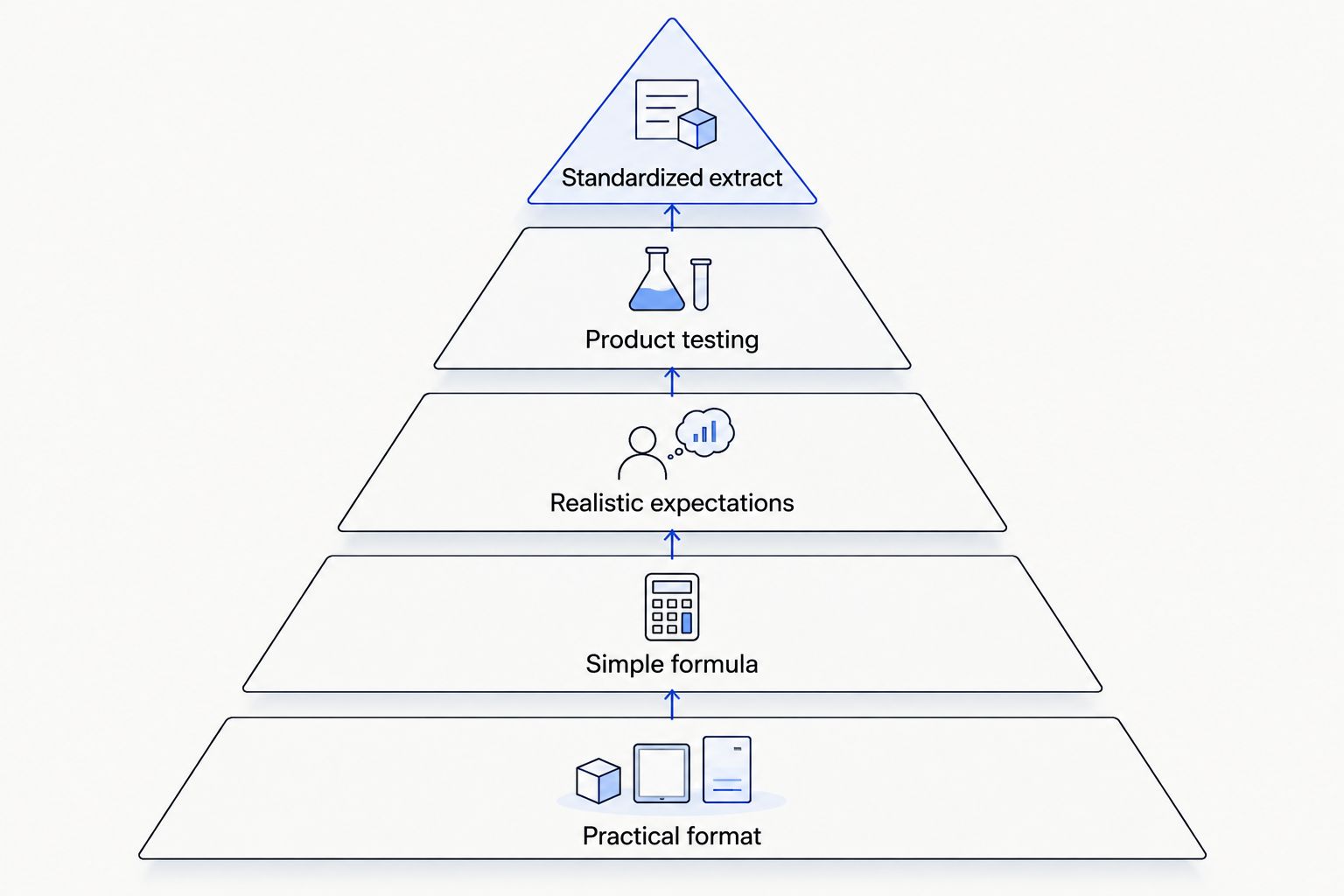
What makes the best adaptogen supplement for cortisol
- Standardized extract: A named extract provides more useful formulation detail than a label that lists only raw herb powder.
- Clearly stated serving: The label should identify the amount per serving and explain how often to take it.
- Product-specific quality information: Confirm testing or certification claims on the product label instead of assuming they apply to an entire brand.
- Realistic expectations: An adaptogen should support a routine, not promise to erase stress immediately.
- Simple formula: Fewer active ingredients make it easier to identify what agrees with you.
- Practical format: Capsules, powders, and teas can all work when the format fits your daily routine.
Adaptogen supplements for cortisol at a glance
| Ingredient | Best for | Standout feature | Key limitation |
|---|---|---|---|
| Ashwagandha (KSM-66) | Consistent daily stress support | Standardized root extract used in human studies | Not appropriate for everyone |
| Rhodiola rosea | Daytime mental fatigue | Better suited to daytime routines | Can feel stimulating |
| Holy basil (tulsi) | A gentle tea or capsule habit | Works in several everyday formats | Less cortisol-specific evidence |
| Magnesium glycinate | Stress paired with poor sleep | Complements an evening routine | Not an adaptogen |
| Panax ginseng | Low energy during stressful periods | Focuses more on energy than calm | Medication interactions require care |
| Schisandra berry | Multi-herb adaptogen blends | Commonly combined with other herbs | Harder to assess inside a blend |
1. Ashwagandha (KSM-66): best for daily cortisol support
Ashwagandha is a root used in Ayurvedic practice, while KSM-66 is a branded standardized root extract used in published human studies. It is one of the most recognizable options in TruNutra's guide to KSM-66 ashwagandha supplements, and it is the clearest starting point for many adults exploring adaptogens in 2026.
Ashwagandha (KSM-66) pros:
- Standardization makes the extract easier to compare across labels
- Human research includes stress, sleep, and cortisol-related outcomes
- Capsules fit a simple daily routine
- It is widely available as a single-ingredient supplement
Ashwagandha (KSM-66) cons:
- It can cause digestive discomfort or drowsiness
- It can affect thyroid function and interact with some medicines
- It is not recommended during pregnancy
Best for: adults who want one well-studied adaptogen for a consistent stress-support routine. Verdict: Buy, provided the label fits your needs and a qualified health professional has cleared any medication concerns.
2. Rhodiola rosea: best for afternoon mental fatigue
Rhodiola rosea is a root traditionally used in parts of Europe and Asia. Research focuses heavily on fatigue, mental performance, and perceived stress, making it a better fit for a demanding afternoon than a bedtime routine.
Rhodiola rosea pros:
- Fits daytime use when stress feels draining
- Available as a standardized single-ingredient extract
- Does not depend on an elaborate supplement stack
Rhodiola rosea cons:
- It can feel stimulating for some people
- Taking it late in the day can interfere with winding down
- Product labels do not always state the extract standardization clearly
Best for: adults whose stress shows up as daytime fatigue or difficulty concentrating. Verdict: Buy for daytime use; skip it near bedtime if stimulating supplements affect your sleep.
3. Holy basil: best for a gentle tea or capsule routine
Holy basil, also called tulsi, is another herb with a long history in Ayurvedic practice. It is available as tea, powder, and extract, which makes it easy to connect with an existing morning or evening habit.
Holy basil pros:
- Available in several practical formats
- Tea offers a simple alternative to another capsule
- Fits a calm daily ritual without relying on caffeine
Holy basil cons:
- Research on cortisol is less developed than the research on ashwagandha
- Tea and standardized extracts are not directly interchangeable
- It can interact with medications that affect blood sugar or blood clotting
Best for: adults who want a low-complexity adaptogen habit, especially in tea form. Verdict: Hold if cortisol support is the main goal; ashwagandha has more directly relevant human research.
4. Magnesium glycinate: best for stress paired with poor sleep
Magnesium glycinate is not an adaptogen. It belongs in this comparison because stress and poor sleep often reinforce each other, and magnesium plays established roles in normal muscle and nerve function.
The glycinate form pairs magnesium with glycine and is commonly chosen for evening use. That does not make it a direct cortisol treatment, but it can fit a broader sleep routine when stress makes it difficult to settle down.
Magnesium glycinate pros:
- Fits naturally into an evening routine
- Can be paired with an adaptogen rather than replacing one
- Labels clearly state the amount of elemental magnesium when properly formatted
Magnesium glycinate cons:
- It is not an adaptogen and should not be presented as one
- Magnesium supplements can cause digestive side effects
- Supplemental magnesium can interact with certain antibiotics and other medicines
The TruNutra Sleep Ease Duo is the most relevant TruNutra page for readers whose main concern is winding down at night. Check the current label for ingredients, serving directions, warnings, and product-specific quality information before deciding whether it fits your routine.
Best for: adults whose stress concerns overlap with difficulty winding down at night. Verdict: Buy only as complementary support, not as a standalone adaptogen for cortisol.
5. Panax ginseng: best for low energy under stress
Panax ginseng, also called Asian ginseng, is associated more closely with energy and mental performance than relaxation. That distinction matters: it fits fatigue better than a wired or restless feeling.
Panax ginseng pros:
- Focuses on energy rather than sedation
- Available in standardized extract form
- Works as a single-ingredient option
Panax ginseng cons:
- It can cause insomnia or nervousness
- It can interact with blood thinners, diabetes medicines, and other prescriptions
- It is a poor match when overstimulation is already the main problem
Best for: adults whose stressful periods leave them tired rather than restless. Verdict: Hold until a pharmacist or qualified health professional has checked it against your medicines.
6. Schisandra berry: best for multi-adaptogen blends
Schisandra is a berry used in traditional Chinese wellness practices. Supplement brands often place it inside formulas containing several herbs, so you are more likely to encounter it in a blend than as your only adaptogen.
Schisandra berry pros:
- Available in capsules, powders, and combination formulas
- Offers an alternative to root-based adaptogens
- Can fit a broader multi-herb routine
Schisandra berry cons:
- It has less cortisol-specific human research than ashwagandha
- Multi-ingredient blends make individual effects difficult to identify
- It can interact with medicines processed by the liver
Best for: experienced supplement users who understand each ingredient in a blend. Verdict: Wait until you have tried a clearly labeled single-ingredient option first.
How we ranked these options
The 2026 ranking prioritizes human research, standardized extracts, clear labels, practical daily use, and known safety limitations. Ashwagandha ranks first because it has the strongest combination of cortisol-relevant research and straightforward single-ingredient formats. Rhodiola follows because it addresses a narrower but common problem: mental fatigue during stressful days.
Magnesium glycinate ranks separately from the true adaptogens because its role is complementary. Panax ginseng and schisandra rank lower because medication interactions and less direct cortisol evidence make them less suitable as default recommendations.
Build a calmer daily routine
Explore TruNutra options for stress, sleep, mobility, and everyday wellness.
Which adaptogen supplement should you choose?
For most adults trying adaptogen supplements for cortisol in 2026, ashwagandha with a clearly identified standardized extract is the best starting point. Choose rhodiola instead when daytime mental fatigue is the main concern, or consider magnesium glycinate as complementary support when your stress routine centers on sleep.
TruNutra is best suited to consumers who want supplement options connected to everyday stress, sleep, mobility, and general wellness routines. Product labels remain the deciding source for ingredients, serving directions, testing claims, and warnings.
Do not stack several adaptogens at once when you are starting. A single ingredient makes it easier to notice benefits, side effects, and interactions. Follow the label, and consult a qualified health professional if you take medication, have a health condition, are pregnant, or are nursing.
FAQ
What is the best adaptogen supplement for cortisol in 2026?
Ashwagandha with a standardized extract is the best overall starting point in 2026. It has more directly relevant human research on stress and cortisol than the other options in this guide.
Is rhodiola or ashwagandha better for stress?
Ashwagandha is better suited to consistent daily stress support, while rhodiola fits daytime fatigue and demanding work periods. Rhodiola can feel stimulating, so it is a weaker choice near bedtime.
Is magnesium glycinate an adaptogen?
No, magnesium glycinate is not an adaptogen. It can complement an adaptogen when stress overlaps with difficulty winding down, but it serves a different role.
Can I take magnesium glycinate with ashwagandha?
Some adults use magnesium glycinate and ashwagandha in the same routine, but suitability depends on the labels, serving amounts, medicines, and health conditions involved. A pharmacist or qualified health professional can check the combination for you.
When should I take adaptogen supplements for cortisol?
Timing depends on the ingredient and its label. Rhodiola and Panax ginseng generally fit daytime routines, while some people place ashwagandha or holy basil later in the day.
Are adaptogen supplements safe to take every day?
Daily suitability depends on the ingredient, serving, product label, medicines, and your health history. Follow the label and ask a qualified health professional before daily use if you have a medical condition or take prescriptions.
Can adaptogens treat high cortisol?
No, adaptogen supplements should not be used to diagnose or treat a medical cortisol disorder. Seek medical evaluation if you have persistent symptoms or concerns about abnormal cortisol levels.
What should I check on an adaptogen label?
Check the exact ingredient, plant part, extract name, amount per serving, serving directions, warnings, and product-specific testing claims. Avoid formulas that hide individual amounts inside an unclear blend.
One last thing
The most useful 2026 buying rule is simple: start with one clearly labeled ingredient, not a crowded blend. Ashwagandha is the default choice for general stress support, but the best option is the one that matches your routine, medicines, and main concern.